
WhatsApp is one of the most popular messaging apps in the world, used by millions of people daily. Among the various features offered by the app, one of them is the possibility of customizing the background of conversations with different colors. However, many users end up encountering a common problem: the blue background of the conversation, which can be difficult to read or simply not match the rest of the chosen theme. In this article, we will present some simple and effective tips to remove the blue from WhatsApp and further personalize your experience on the app.
How to read WhatsApp message and not turn blue?
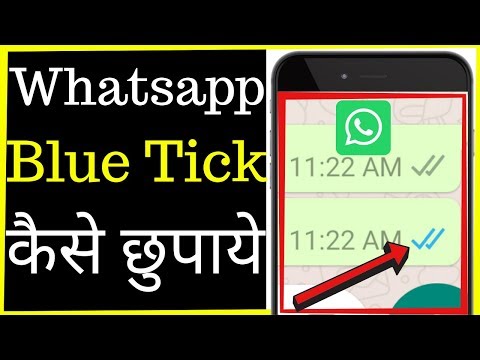
When you receive a message on WhatsApp, it appears with a blue flag to indicate that it has been read. However, there are some ways to read the message without the blue flag appearing. Here are some tips:

1. Disable read receipt
You can disable read receipt in WhatsApp settings. This will prevent the blue flags from appearing when you read messages. However, this also means that you won’t know if anyone has read your messages.
2. Use airplane mode
If you receive a message and want to read it without the blue flag appearing, put your phone in airplane mode before opening the message. After reading the message, close WhatsApp and disable airplane mode. This will result in the message not being marked as read.

3. Use widgets
If you have a WhatsApp widget on your phone’s home screen, you can read messages without opening the app. This will prevent the blue flag from appearing.

4. Reply to the message in the Notification Center
If you receive a message while using your phone, you can reply to it directly from the Notification Center without opening WhatsApp. This will prevent the blue flag from appearing.
Now that you know how to read WhatsApp messages without the blue flag appearing, you can decide whether or not you want to disable read confirmation. Keep in mind that when you turn off read receipt, you also won’t know if someone has read your messages.

How do I get the WhatsApp visa?
To obtain the WhatsApp visa, you must follow the following steps:
- Open the WhatsApp application on your cell phone.
- Access the application settings.
- Click on “Account”.
- Select “Privacy”.
- Uncheck the “Read receipts” option.
After these steps, you will no longer see the blue tick when someone reads your WhatsApp messages.

How can I not show that I have read the message on WhatsApp?
One of WhatsApp’s most controversial functions is the message reading notification, which displays two blue ticks when the recipient opens the chat and views the sent message. However, you can disable this function and prevent the other person from knowing that you have read the message. To do this, follow the following steps:
- Open WhatsApp and access settings;
- Go to “Account” and select “Privacy”;
- Disable the “Read receipts” option.
From this point on, you will still be able to see when messages were delivered (one gray tick) and when they were received (two gray ticks), but the sender will not know that you read the message. It is worth remembering that this function is individual and does not affect group conversations.

Conclusion
In short, there are several ways to turn WhatsApp off, whether it’s changing the app’s settings, using third-party apps, or changing the way you send messages. Regardless of the method you choose, it’s important to remember that blue is a useful function for confirming the delivery and reading of messages, so think before disabling it completely.
There are several ways to turn WhatsApp off, which may be annoying for some people. One of them is to use a third-party application that allows you to customize the appearance of WhatsApp, such as GBWhatsApp or WhatsApp Plus. Another option is to use the application’s dark mode, which replaces blue with black. To activate dark mode, simply access WhatsApp settings and select the “Theme” option. Finally, it is possible to disable WhatsApp notifications, preventing the blue color from appearing in the cell phone’s notification bar. Regardless of the choice, it is important to remember that some of these options may violate WhatsApp’s terms of use and, therefore, should be used with caution.
